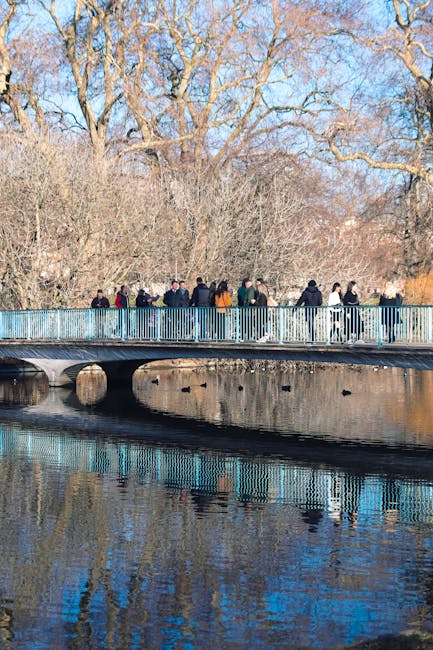
Regents Park edge planting gardeners in Marylebone
If your borders are looking a little tired, the edges are thinning out, or the planting near a lawn, path, or terrace is never quite settling in the way you hoped, you are not alone. In Marylebone, especially close to Regents Park, edge planting has a habit of becoming the finishing touch that makes a garden feel properly designed rather than just maintained. The right gardeners can make that edge crisp, seasonal, and easy to live with.
Regents Park edge planting gardeners in Marylebone need to understand more than planting alone. They need to work with compact London plots, variable light, root competition, paved boundaries, and the everyday reality of gardens that must look good without becoming high maintenance. This guide explains how edge planting works, what to expect, which choices are worth your money, and how to avoid the classic mistakes that leave borders patchy by midsummer. Truth be told, it is the small details along the edge that often decide whether a garden feels calm or cluttered.
For broader support with outdoor upkeep, many homeowners also look at garden maintenance and landscape gardening as part of a longer-term plan. That makes sense. Edge planting rarely works in isolation.
Table of Contents
- Why Regents Park edge planting gardeners in Marylebone matters
- How Regents Park edge planting gardeners in Marylebone works
- Key benefits and practical advantages
- Who this is for and when it makes sense
- Step-by-step guidance
- Expert tips for better results
- Common mistakes to avoid
- Tools, resources and recommendations
- Law, compliance, standards, or best practice
- Options, methods, or comparison table
- Case study or real-world example
- Practical checklist
- Conclusion
- Frequently asked questions
Why Regents Park edge planting gardeners in Marylebone Matters
Edge planting is the point where a garden meets something harder and less forgiving: a path, a wall, a fence, a terrace, a lawn edge, or the boundary with a neighbour. That meeting line matters because the eye reads edges first. If the edge looks uneven, sparse, or overstuffed, the whole garden can feel a bit off, even when the rest of it is fine.
In Marylebone, edge planting often has to do extra work. Properties may have small front gardens, shaded side returns, courtyard spaces, or narrow beds squeezed between brick, stone, and mature trees. Regents Park surroundings can mean dappled light, stronger wind exposure in open areas, and a planted style that needs to feel elegant rather than busy. A gardener who understands this will choose plants and spacing with restraint. Not every border needs drama. Sometimes it just needs balance.
Another reason it matters is continuity. A neat edge gives your garden a frame. It helps a lawn look greener, a terrace feel cleaner, and shrubs look intentional rather than dropped in. If you have ever walked into a garden and thought, "why does this feel unfinished?", there is a good chance the edges were the problem. Not always, but often.
Expert summary: good edge planting is not about packing in the most plants. It is about choosing the right plants, the right spacing, and the right maintenance rhythm so the border stays attractive through the seasons.
And if the rest of the garden needs help too, a team that can handle landscaping, hedge trimming, or even lawn mowing can keep the edge from being undermined by surrounding growth. That joined-up approach is usually where the best results come from.
How Regents Park edge planting gardeners in Marylebone Works
Edge planting is usually planned from the boundary inward. A gardener will first look at the site conditions: sun, shade, soil quality, drainage, width of the bed, and how close the planting sits to paving or structures. In a compact Marylebone garden, these checks matter a lot because a plant that should thrive elsewhere may struggle in a restricted urban border.
Next comes the planting design. That may sound grand, but in practice it often means deciding which plants should give structure, which should provide seasonal colour, and which should soften hard edges without taking over. Low-growing evergreens, compact perennials, ornamental grasses, and small shrubs are common choices when a border needs shape but not bulk.
The work then moves into preparation. Good edge planting gardeners will clear weeds, improve the soil, define the bed line, and set sensible planting distances. In London gardens, especially near older masonry, the soil can be uneven, compacted, or dry in awkward pockets. A quick planting job over poor soil usually fails quietly. It looks okay for a month, then suddenly does not.
After that, planting is done carefully, watered in, and mulched if needed. Mulch helps hold moisture, reduces weed growth, and gives the bed a tidy finish. That final layer is doing more than people think. To be fair, mulch is a bit of an unsung hero.
Then comes aftercare. Edge planting is never really "done" on day one. New plants need regular checking, watering, light trimming, and seasonal adjustments. A professional approach will usually include follow-up maintenance so the edge stays dense instead of drifting into gaps and scruffiness.
Key Benefits and Practical Advantages
The biggest benefit is visual clarity. A well-planted edge makes the garden look finished. It creates a clean transition between lawn and border, terrace and planting, or path and greenery. That can make even a modest garden feel much more expensive, which is always nice even if we do not want to say that too loudly.
There is also practical value. Healthy edge planting can reduce exposed soil, which means fewer weeds and less erosion after heavy rain. It can help shade the soil near a boundary, protecting root zones from drying out in summer. In a city setting where outdoor space works hard all year, that matters more than people expect.
Here are the main advantages most homeowners notice:
- Cleaner garden edges that make the whole space feel sharper.
- Better structure across seasons, especially when evergreen planting is used well.
- Less maintenance pressure if the plant selection suits the site properly.
- Improved curb appeal for front gardens and street-facing borders.
- More usable space because planting is planned with access and movement in mind.
- Stronger plant health when soil and sunlight are matched correctly.
There is another advantage that is easy to miss: a good edge planting scheme can reduce the "patchwork" feeling that small gardens sometimes get. Rather than a few unrelated pots and shrubs, you get a coherent line that guides the eye. It sounds simple. It is simple, but it is not accidental.
If the work is part of a wider refresh, you may also want to look at services overview so the planting complements other maintenance or improvement work. A bit of joined-up thinking saves a lot of awkward fixes later.
Who This Is For and When It Makes Sense
Edge planting services suit a surprisingly wide range of people. Homeowners with compact front gardens often want something polished that does not demand constant attention. Landlords may want a presentable boundary that helps the property feel cared for between tenancies. Busy professionals in Marylebone often need the garden to look reliable without becoming a weekend chore. Fair enough.
This kind of gardening also makes sense if:
- your border is bare at the front and heavy at the back
- the edge near a path or driveway looks patchy
- you have too much exposed soil and too many weeds
- plants keep failing in the same place because conditions are not right
- you want a cleaner, more modern look without overcomplicating the garden
- you are preparing a property for sale or letting and need strong first impressions
It is also worth considering edge planting if your current border is technically healthy but visually messy. That is a common one. The plants are alive, yes, but the overall effect is weak. Maybe a little unruly. Maybe too fragmented. A skilled gardener can often improve that without replacing everything.
On the other hand, if the issue is not planting but a damaged boundary, drainage problem, or structural change, edge planting should come later, not first. A proper assessment should separate cosmetic needs from deeper site issues. That sort of judgement saves money and frustration.
Step-by-Step Guidance
Here is the practical process most good edge planting projects follow. It is not glamorous, but it works.
- Assess the site properly. Look at light, shade, soil, wind, drainage, and access. A narrow border beside a north-facing wall needs a different approach from an open, sunny edge.
- Decide the purpose of the edge. Do you want softness, privacy, seasonal colour, structure, or low maintenance? The answer changes the planting plan.
- Clear and prepare the area. Remove weeds, old roots, debris, and any weak plants that are competing for space. If needed, arrange broader garden clearance first.
- Improve the soil. Add compost or other suitable organic matter where appropriate. In small London gardens, soil improvement is often the difference between tidy and tired.
- Choose plants for the conditions. Do not force a sunny-border plant into shade, or a thirsty plant into a dry edge unless you are ready for more maintenance.
- Set planting distances carefully. Plants need room to mature, but not so much space that the border looks empty for months.
- Plant in layers. Use a structure layer, a mid-layer, and lower filler plants to create depth without overcrowding.
- Water in thoroughly. New planting needs a good start. Skipping this is a classic mistake. A very avoidable one.
- Mulch and finish neatly. A clean edge line and a light mulch layer help the planting settle and stay tidy.
- Review after the first few weeks. Replace failures early, adjust watering, and trim any over-enthusiastic growth.
If you prefer a broader care routine, pairing edge planting with regular garden maintenance is usually the easiest way to protect your investment. Plants do not ask much, but they do ask consistently. Annoying, but true.
Expert Tips for Better Results
One of the best decisions you can make is to start with restraint. Small gardens near Regents Park often look better with fewer, better-chosen plants than with a crowded mix of everything appealing in the nursery. It is tempting to buy the prettiest options. We have all been there. But edge planting needs discipline.
Here are a few tips that genuinely improve results:
- Use repetition. Repeating a plant or two along the edge makes the border feel calm and deliberate.
- Prioritise structure first. Evergreen bones give the border shape in winter, when many gardens go a bit sleepy.
- Think in seasons. A good edge should not peak for only one month and then collapse into nothing.
- Leave access for maintenance. If the border is impossible to reach, it will become impossible to keep tidy. Simple as that.
- Match planting to the pace of your life. If you travel a lot or work long hours, low-maintenance planting is not a luxury, it is common sense.
- Inspect the edge after rain. Waterlogging, splashback, and washed-out mulch show up fast when the weather turns.
One small detail that helps more than people think: keep the edge line physically clean. A crisp boundary between lawn and border makes planting look better even before the plants have fully settled. It is one of those little visual wins that does a lot of heavy lifting.
And if the garden has taller boundaries or overgrown screens, the shape of the edge will always be affected by what sits above it. A bit of hedge trimming can make the whole composition feel lighter and more open.
Common Mistakes to Avoid
Most edge planting problems are not dramatic. They are slow, ordinary mistakes that add up. That is why they are so annoying.
- Choosing plants for looks alone. A plant can be beautiful and still be wrong for the site.
- Planting too close. Overcrowding creates future competition, poor airflow, and a border that turns messy quicker than expected.
- Ignoring light levels. A border that gets only a few hours of sun needs a different palette from one in bright light.
- Skipping soil preparation. The planting may appear fine at first, then decline once roots hit compacted ground.
- Forgetting maintenance access. If you cannot reach the back of the bed, weeds and deadheading become a headache.
- Mixing too many styles. A border can become noisy very quickly if every plant has a different habit and texture.
- Letting the edge get buried. Grass, mulch, and self-seeding plants can all blur the intended line.
There is also a design mistake that deserves its own mention: trying to do too much in a narrow space. In Marylebone, many gardens simply do not have the depth for a rich, layered scheme with lots of tall species. That does not mean the space is limited. It means the planting must be smarter. Different thing entirely.
Finally, do not treat edge planting as a one-off fix if the rest of the garden is struggling. If the soil is exhausted or the space has been neglected, a more complete tidy-up or garden clearance may be the right first step.
Tools, Resources and Recommendations
Good edge planting does not require a shed full of gear, but the right tools and materials make a clear difference. For most projects, gardeners will rely on digging tools, hand forks, secateurs, a rake, wheelbarrow, watering equipment, and quality mulch. In tighter spaces, smaller hand tools are often more useful than heavy kit. Less drama, more control.
Recommended materials usually include:
- Organic compost to improve poor or tired soil
- Mulch to retain moisture and suppress weeds
- Plant supports for softer or taller species that need early help
- Edging materials where a firmer boundary is wanted
- Low-maintenance plants suitable for the site conditions
If your project is part of a larger outdoor upgrade, it can help to think beyond planting alone. For example, planting along a terrace edge often works best when the surrounding hard landscaping is also in good order. In some gardens, a new border sits beautifully alongside decking services or more general landscaping.
For clients who care about long-term upkeep, sustainable choices are also worth considering. Selecting suitable plants, reducing waste, and reusing healthy existing material where possible can make the garden easier to manage. If that matters to you, the page on recycling and sustainability is a sensible place to explore the company's approach.
Law, Compliance, Standards, or Best Practice
Edge planting itself is not usually a heavily regulated activity, but best practice still matters. In London, practical care around access, neighbour boundaries, waste handling, and safe working methods is part of professional gardening rather than an optional extra. Good contractors should be mindful of property lines, root systems, falling debris, and safe tool use. Common sense, yes, but worth saying plainly.
If the work involves removing dead wood, reducing overhanging growth, or dealing with larger trees close to the planting area, it may need closer attention to safety and structure. In those cases, a service like tree lopping and removal may be relevant before new planting goes in. Planting under unstable or deeply shaded tree cover without addressing the cause is usually poor value.
It is also sensible to ask about insurance, safe working methods, and how waste is handled. For homeowners, this is not just paperwork. It affects peace of mind. You want the work done properly, and you want the people in your garden to respect the space. If you are comparing providers, the pages on insurance and safety and health and safety policy can help you understand the standard of care you should expect.
Where pricing, payment, and service terms are involved, clear communication helps prevent misunderstandings. A proper quotation should say what is included, what is excluded, and whether aftercare is part of the job. If you want to understand the commercial side a bit better, look at pricing and quotes and terms and conditions. Nothing flashy there, just sensible groundwork.
Options, Methods, or Comparison Table
Different edge planting methods suit different gardens. Here is a simple comparison to help you think it through.
| Method | Best for | Pros | Watch out for |
|---|---|---|---|
| Low evergreen edging | Neat, year-round structure | Reliable shape, tidy look, lower visual clutter | Can look flat if not softened with seasonal plants |
| Mixed perennial border | Seasonal colour and texture | More interest, softer feel, good for pollinator-friendly design | Needs more planning and periodic refreshment |
| Shrub-led edge planting | Privacy and boundary definition | Good height, creates a strong backdrop | Can overpower small spaces if badly chosen |
| Formal clipped edging | Front gardens and tidy courtyards | Sharp lines, elegant finish, easy to read visually | Needs regular trimming to stay crisp |
| Naturalistic planting | Relaxed, softer gardens | Gentler look, more movement, more seasonal feel | May need more weed control and spacing discipline |
For many Marylebone gardens, a hybrid approach works best. A strong structural plant near the edge, a softer middle layer, and a small amount of seasonal detail is often enough. You do not need a botanical opera. Just a garden that feels coherent.
Case Study or Real-World Example
Here is a realistic example from the sort of space that comes up often in this part of London. A small rear garden near Regents Park had a narrow border along one side, a tired lawn edge on the other, and a patio that felt visually disconnected from the planting. The plants themselves were not terrible, but the scheme was uneven. Some areas were crowded, while the sunniest strip had become bare and weedy.
The fix started with clearing out weak growth, improving the soil, and rethinking the planting line so the garden could breathe. Instead of trying to squeeze in lots of mixed species, the border was simplified. A few structural plants formed the backbone, with lower companions to fill the gaps and soften the hard edge of the paving. The lawn edge was redefined so the line looked deliberate again.
What changed most was not just the planting, but the feeling of the space. The garden stopped looking like a collection of separate corners and started reading as one complete room. On a damp spring morning, that kind of change is visible the second you step outside. The air may still smell a bit of soil and rain, but the garden feels calmer straight away.
The practical lesson is simple: when edge planting is tailored to the site, not forced onto it, the result lasts longer and looks better with less fuss. A little patience up front saves a lot of patching later.
Practical Checklist
Use this checklist before starting or commissioning edge planting work in Marylebone:
- Check how much sun and shade the border gets through the day
- Measure the width and depth of the planting area properly
- Decide whether the goal is structure, colour, softness, or privacy
- Inspect the soil for compaction, dryness, or poor drainage
- Remove weeds, dead roots, and leftover debris
- Choose plants that suit the actual site conditions
- Leave room for plants to mature without overcrowding
- Plan access for watering, trimming, and seasonal maintenance
- Use mulch or another tidy finishing layer where suitable
- Review the border after the first few weeks and again after seasonal changes
If you are still deciding who should handle the job, it helps to look at the company's background too. The page about us is useful for understanding the approach, and contact us is the obvious next step when you want a specific conversation about your garden. If you prefer a wider look at what is available, the main home page can point you in the right direction.
Get a free quote today and see how much you can save.
Conclusion
Edge planting is one of those garden improvements that can seem small at first, then quietly change everything. It frames the space, steadies the design, and makes the rest of the garden easier to enjoy. For Regents Park edge planting gardeners in Marylebone, the real skill lies in balancing elegance with practicality. The best results are attractive, sure, but also workable in daily life.
So if your borders feel unfinished, thin, or just a bit stubborn, that does not mean the garden is beyond help. It usually means the edge needs attention, not more guesswork. With the right planting choices, careful preparation, and a sensible maintenance plan, the space can look composed and welcoming again. And honestly, that feeling when a border finally clicks into place? Worth it.
One last thing: a good garden should make you want to step outside, even on an ordinary day. That is the standard worth aiming for.
Frequently Asked Questions
What do Regents Park edge planting gardeners in Marylebone actually do?
They plan, prepare, plant, and maintain the outer edges of gardens so borders look neat, balanced, and suited to local conditions. That usually includes soil improvement, plant selection, spacing, and aftercare.
Is edge planting different from regular garden planting?
Yes. Edge planting focuses on the transition line between the garden and another surface or boundary. It needs more attention to shape, access, and visual flow than a general planting scheme.
Which plants work best for narrow Marylebone borders?
It depends on light, soil, and available space, but compact evergreens, restrained perennials, and smaller shrubs often perform well. The key is choosing plants that will not outgrow the border too quickly.
How often does edge planting need maintenance?
Most edge planting benefits from regular checking, seasonal tidy-ups, and occasional replanting or trimming. The exact frequency depends on the plants used and how exposed the site is.
Can edge planting help a small garden look bigger?
Yes, it often can. Clean lines, repeated planting, and a well-structured border make a space feel more organised and open. A messy edge usually has the opposite effect.
Do I need a full redesign to improve my borders?
Not always. Sometimes a border only needs thinning out, soil improvement, better spacing, and a more coherent plant palette. A full redesign is only necessary when the underlying layout is not working.
What is the biggest mistake people make with edge planting?
Overcrowding. People often plant too much too close together, which looks full for a short time and then becomes cramped, weak, and hard to maintain.
Should edge planting be done before or after other garden work?
If the garden is very overgrown, clearance and structural work usually come first. If the issue is mostly aesthetic, planting may happen sooner. A proper site assessment helps decide the order.
Does edge planting work well with lawns and hard landscaping?
Absolutely. In fact, edge planting often looks best when it ties lawns, patios, paths, and boundaries together. It helps soften hard surfaces without hiding them completely.
How do I know if a gardening service is suitable for this kind of work?
Look for a team that asks about light, soil, access, maintenance, and long-term goals rather than just offering to "fill the bed." Good edge planting is thoughtful, not rushed.
Is it worth combining edge planting with other garden services?
Usually, yes. Combining planting with maintenance, hedge care, or landscaping can produce a more coherent result and reduce the chance of one part of the garden undoing another.
What should I ask for in a quote?
Ask what is included, whether soil preparation is part of the job, whether aftercare is offered, and how any waste will be handled. Clear pricing makes the whole process easier to trust.