 Gardening Marylebone: Recycling and Sustainability in Our Eco-Friendly Waste Disposal Area
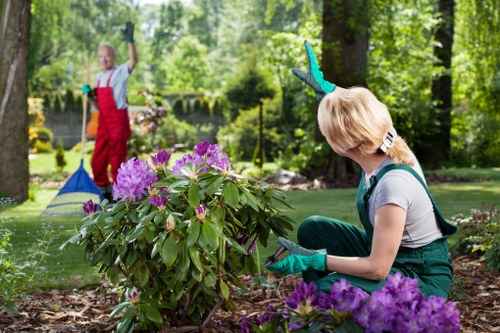
Gardening Marylebone is committed to creating a greener neighbourhood by designing and maintaining an eco-friendly waste disposal area and a thriving sustainable rubbish gardening area. Our goals combine practical garden care with clear recycling targets, local coordination and low-carbon logistics. We work across private gardens, communal courtyards and terrace fronts to make sure garden waste is separated, reused and disposed of responsibly.
 We focus on source separation in line with the borough approach to waste: food waste, dry recycling and residual waste are collected separately, while garden and green waste is either composted locally or sent to transfer stations for processing. Our model supports homeowners and communal landlords to set up dedicated green bins, small-scale composting hubs and labelled storage to reduce contamination and increase the proportion of garden and landscape materials diverted from landfill.
Our Recycling Percentage Target and Measurement
 We have set a clear recycling percentage target: to achieve a minimum 70% diversion of garden and associated organic material from landfill within five years across our managed sites. This target covers green waste, woody prunings, turf and leaf litter, plus clean wood and untreated timber where feasible. Achieving this relies on accurate segregation at point of collection and reliable onward processing.
To track progress we use monthly weight audits and quarterly reports that monitor volumes sent to composting, transfer stations and reuse partners. Our approach is aligned with local borough guidance—encouraging residents and small businesses in Marylebone to use kerbside schemes for food and dry recycling and to treat the garden waste area as part of the wider local circular economy.
Local Transfer Stations and Processing Routes
 We collaborate with designated local transfer stations recommended by Westminster and neighbouring boroughs for green waste processing. These transfer stations accept segregated garden waste and route material to accredited composting facilities, anaerobic digestion plants or certified biomass processors. Using authorised transfer points ensures traceability, lowers contamination risk and helps us meet our recycling percentage target.
When larger removals are needed—tree-pruning clearances or soil replacement—we coordinate direct delivery to local organic processing hubs. This reduces double handling, supports local recyclers and keeps the carbon footprint low by cutting travel distance for bulky green loads.
Partnerships with Charities and Reuse Organisations
We maintain active partnerships with charities and community organisations to give garden materials a second life. Clean turf, rootballs free of invasive species, surplus soil and untreated timber are offered to neighbourhood community gardens, allotments and landscape projects. These partnerships promote social value and ensure that usable material stays in the local circular economy rather than being sent for disposal.
Examples of reuse activity include donating woodchips for community paths, supplying compost to urban growers and transferring potted plant stock to charity gardens. We list acceptances and protocols on site notices to avoid contamination and to streamline collection.
Low-Carbon Vans and Responsible Logistics
 All of our collection vehicles for garden waste are low-carbon vans where possible: a mixed fleet of electric vans for small collections and Euro 6 low-emission vehicles for larger loads. Frequent route optimisation reduces mileage and emissions, and vehicle choice reflects the type of load and access limitations typical of Marylebone’s narrow streets.
Low-carbon logistics are combined with smaller, regular collections to avoid heavy compaction and to enable higher-quality recyclate. This reduces contamination and improves compost yield and quality, contributing directly to our sustainability objectives.
Sustainable Rubbish Gardening Area: Practical Measures on Site
On every managed site we set up a sustainable rubbish gardening area that includes labelled bays for: garden waste (green bin), clean wood, soil and rubble segregation, and a secure area for pots and tools destined for reuse. Clear signage and seasonal guidance help volunteers and contractors separate materials correctly. We encourage mulching on-site, reuse of prunings for dead hedging, and small-scale composting where space permits.
We also promote biodegradable bag use only where the bags are certified for in-vessel composting—non-compostable plastics are strictly excluded. Daily checks reduce contamination and informal swaps between neighbours encourage practical reuse of pots, trellis and garden furniture.
How the Boroughs’ Approach Fits Our Work
Marylebone benefits from Westminster's emphasis on separate collections for food and dry recyclables, communal recycling points for flats and expanded garden waste services. We integrate these municipal services into our plans, ensuring our eco-friendly garden waste disposal complements the borough schemes rather than duplicating them. For multi-occupancy sites we coordinate with local waste teams to align pickup days and ensure legal compliance.
Where borough guidance evolves—such as changes in permitted materials or new recycling targets—we adapt quickly, updating site paperwork, training crews and informing residents through visual prompts in the sustainable rubbish gardening areas.
Commitment and Continuous Improvement
Our sustainability plan is iterative: we monitor, report and improve. Regular audits, charity partnerships, local transfer station use and a fleet of low-carbon vans combine to make Gardening Marylebone a practical model for an eco-friendly waste disposal area and a replicable sustainable rubbish gardening area. By aiming for our 70% recycling percentage target and working with local authorities and community organisations, we keep Marylebone greener today and ready for tomorrow.
We invite neighbourhood projects to learn from our systems and to join joint reuse initiatives, creating a resilient local loop for garden materials and a cleaner, low-carbon approach to urban gardening waste.